
News

Combating the degradation of biodiversity in Burkina: The Biodev2030 project takes stock of the results achieved
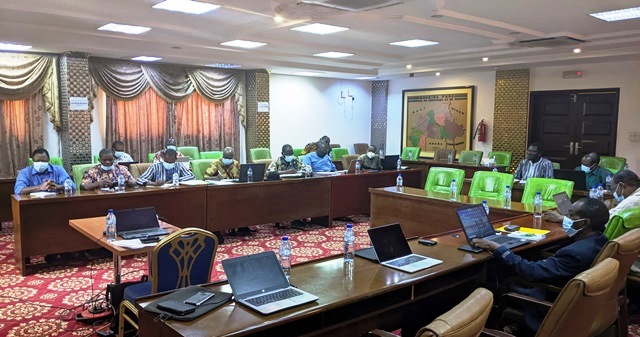
The national technical committee monitoring the Biodev2030 project held its second session on Thursday, May 19, 2022, in Ouagadougou. A meeting that aims to take stock of the results achieved of the project during its diagnostic phase in Burkina Faso.
In May 2019, the report of the Intergovernmental Platform on Biodiversity and Ecosystem Services (IPBES) confirmed the following diagnosis: the degradation of global biodiversity and ecosystem services is worsening at an alarming rate. More recently, the WWF Living Planet Report 2018 indicated that by 2020 the world will have lost 2/3 of its wildlife compared to the 1970s.
The International Union for the Conservation of Nature (IUCN) Red List of Threatened Species establishes that more than 40% of amphibian species, nearly 33% of coral reefs and more than a third of all marine mammals are already threatened. In Burkina Faso, the degradation of biodiversity is on the rise. Stopping this growth is imperative if “the country of honest men” wants to guarantee the sustainable supply of vital ecosystem goods and services.
This is the quintessence of the implementation in the Biodev2030 project “Facilitating engagement for biodiversity”. Its implementation consisted in supporting a constructive dialogue based on a scientific assessment and a diagnosis of national and sectoral threats to biodiversity, based on available data. In June 2021, the national technical committee of the project held a first session to assess the results achieved during the diagnostic phase.
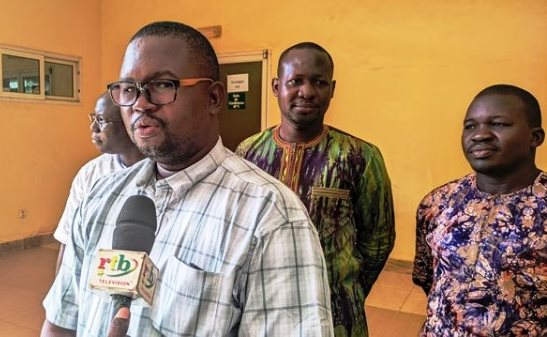
For the project's technical assistant, Amadou W. Ouedraogo, during the diagnostic phase, studies were carried out to assess the threats to biodiversity in Burkina Faso. It also made it possible to identify promising sectors in order to reverse the trend of biodiversity degradation. “Another study was commissioned to identify operating criteria. Today it will be a question of taking stock of the entire process, what are the lessons learned as well as the strategies in order to begin the second phase of the project, which is the phase of dialogue with all the actors that will make it possible to preserve biodiversity in Burkina Faso”, he finished.
This second session, which will take place on Thursday, May 19, 2022, will consist not only in taking stock of the results achieved during the diagnostic phase but also in making recommendations for the dialogue phase. And according to the representative of the permanent secretary of the National Council for Sustainable Development (SP/CND), Do Etienne Traoré, to promote effective implementation of the project in Burkina Faso, a national technical monitoring committee was set up. “It is the body for technical monitoring of the implementation of the project. The second session of the national technical committee of the BIODEV2030 project will be an opportunity to make recommendations for the dialogue phase,” he said.
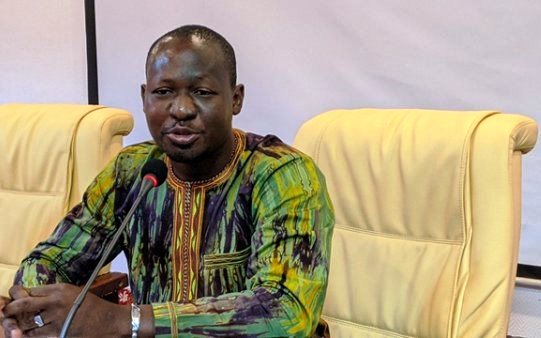
Mr. Traoré said that three results were expected at the end of this session. First, it is a question of making the link between the scientific diagnosis of threats and the choice of sectors and sectors selected by members. Second, make amendments that will improve voluntary commitment scenarios. Finally, it will be a question of summarizing the criticisms of the results achieved as well as the lessons learned during the diagnostic phase.
